News
What Is a Commercial Strength Machine and Why Is It Essential for Modern Gyms?
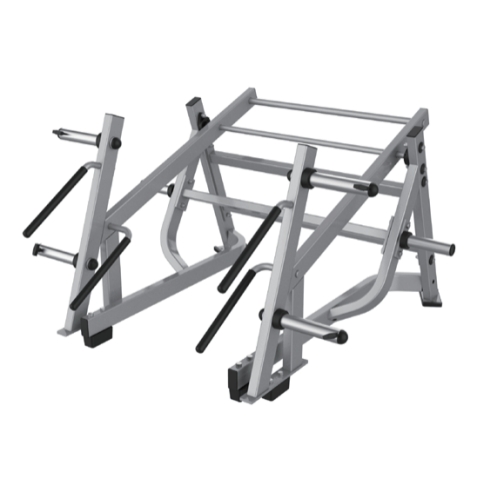
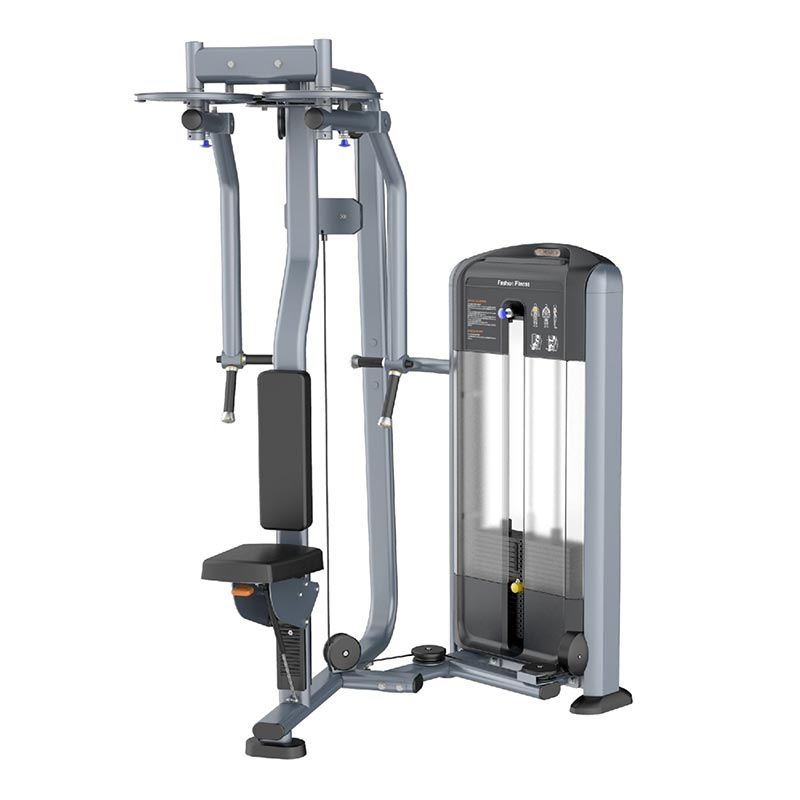
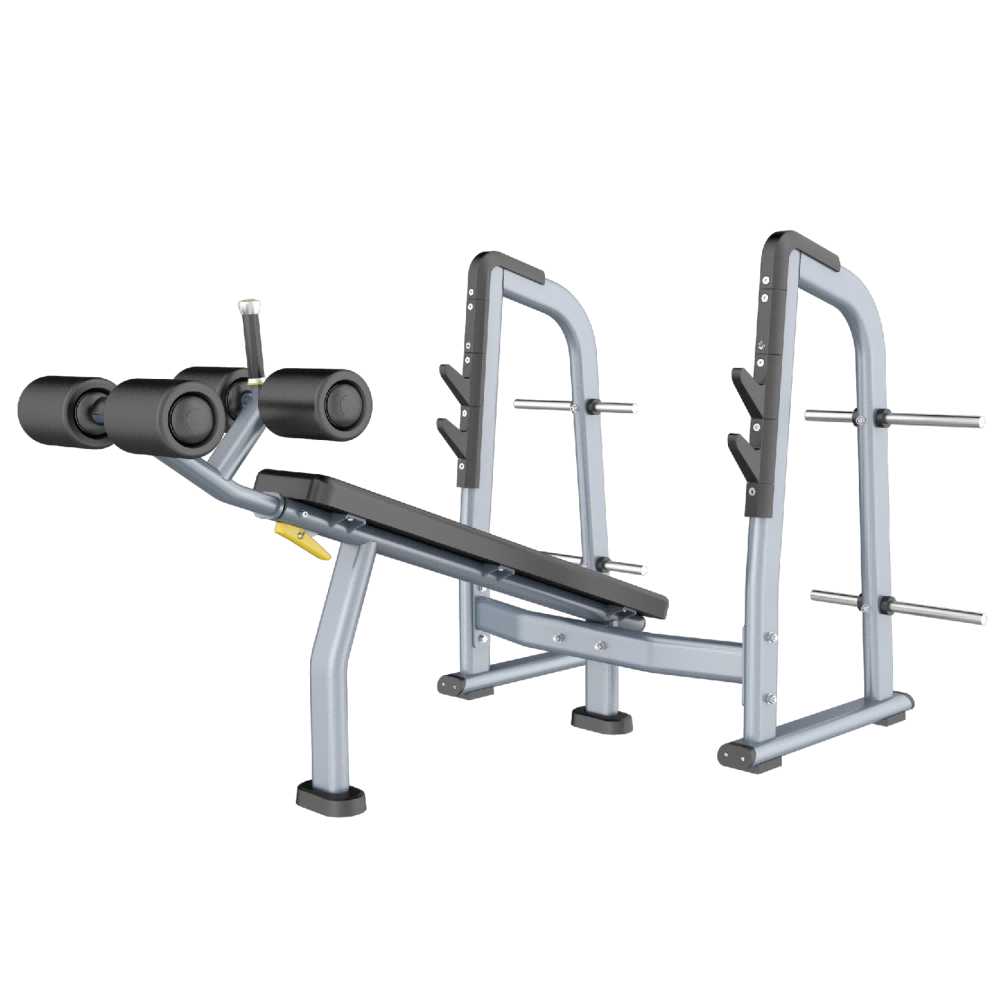
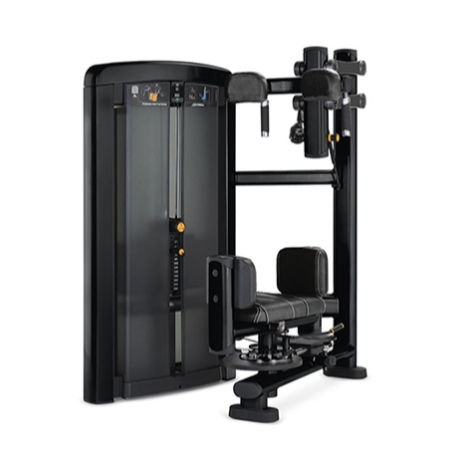
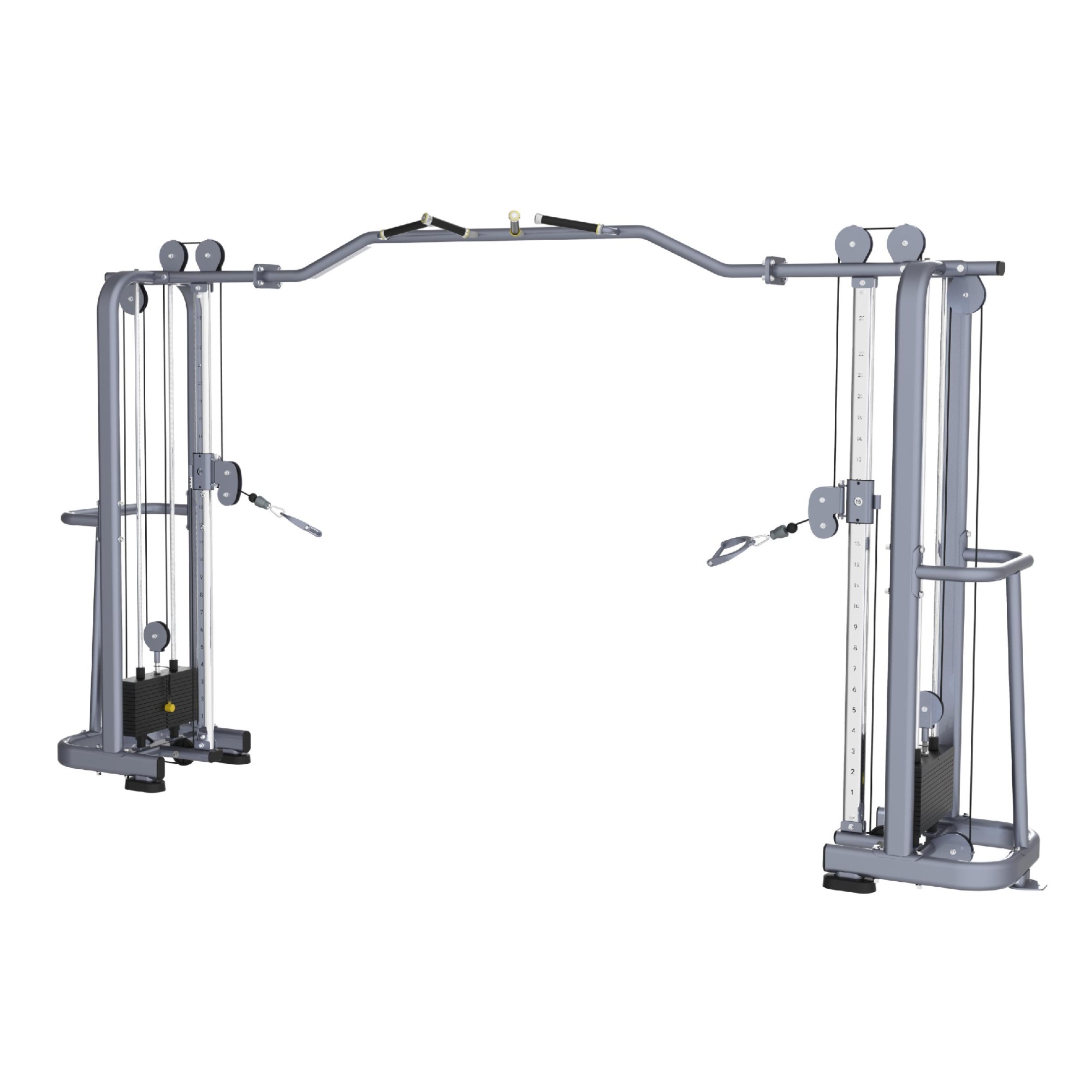
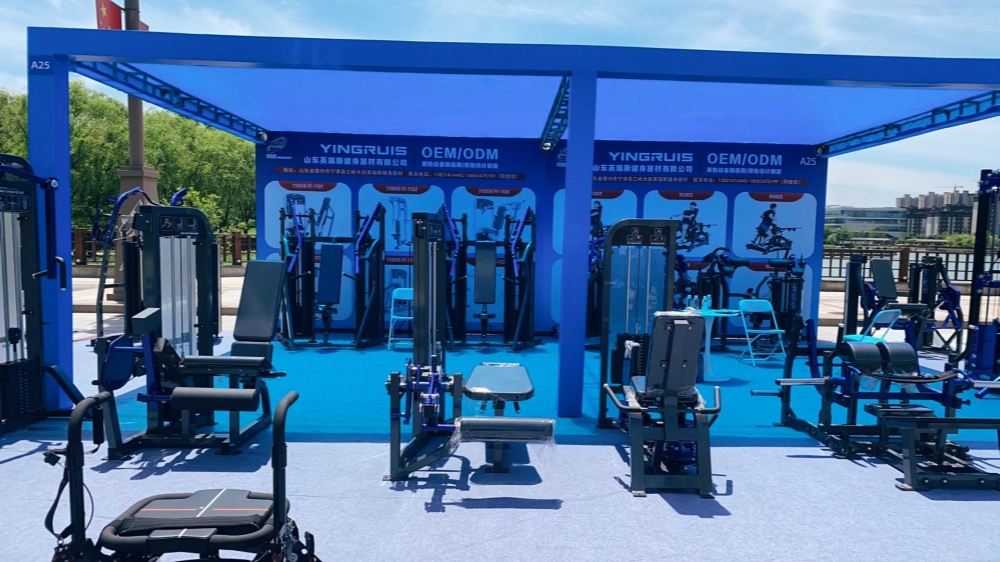
Modern fitness facilities are evolving rapidly as users demand safer, stronger, and more versatile equipment. Among the most important pieces of equipment in professional training environments is the Commercial Strength Machine. Designed to withstand continuous use, heavy loads, and a wide variety of training styles, these machines form the backbone of gyms, health clubs, rehabilitation centers, and athletic performance facilities.
Unlike basic home fitness equipment, commercial machines must deliver durability, biomechanics accuracy, user safety, and long-term reliability. Whether it's guiding beginners through safe resistance training or helping elite athletes reach peak performance, a well-designed strength machine makes a significant difference in training results and user satisfaction.
In this comprehensive guide, we will explore how commercial strength machines work, their benefits, different types available on the market, how gym owners can choose the right equipment, and why professional manufacturers like Qingdao Yingruis Fitness Technology Co., Ltd. are trusted by global fitness facilities. If you're planning to upgrade a gym or invest in long-lasting equipment, this guide will help you make an informed decision.
Article Summary
This article provides an in-depth overview of commercial strength machines, including their functions, benefits, major categories, and the features that make them suitable for high-traffic gyms. It also explains how to choose the right machines, compares commercial equipment with home equipment, and offers practical insights for gym owners, fitness trainers, and facility managers.
Table of Contents
- What Is a Commercial Strength Machine?
- Why Do Professional Gyms Prefer Commercial Strength Machines?
- Common Types of Commercial Strength Machines
- Key Features That Define High-Quality Machines
- Commercial Strength Machine vs Home Gym Equipment
- How to Choose the Right Commercial Strength Machine
- Maintenance Tips for Long-Term Performance
- Future Trends in Strength Training Equipment
- Frequently Asked Questions
What Is a Commercial Strength Machine?
A Commercial Strength Machine is a professional-grade piece of resistance training equipment designed for high-frequency use in gyms, fitness clubs, training centers, and sports facilities. These machines are built with reinforced steel frames, heavy-duty cables, precision bearings, and ergonomic movement paths to ensure both durability and user safety.
Unlike standard consumer-level equipment, commercial machines must handle hundreds of training sessions per week while maintaining consistent performance. They are engineered using biomechanical research to ensure that movement patterns align with the body’s natural motion, reducing injury risk while maximizing muscle activation.
Manufacturers such as Qingdao Yingruis Fitness Technology Co., Ltd. focus on combining engineering expertise with fitness science to develop machines that provide smooth resistance, stable support, and optimal training efficiency.
Typical environments where commercial machines are used include:
- Professional gyms and fitness clubs
- University and school fitness centers
- Corporate wellness facilities
- Sports performance training centers
- Rehabilitation and physiotherapy clinics
Why Do Professional Gyms Prefer Commercial Strength Machines?
Commercial gyms require equipment that delivers consistent performance, minimal downtime, and a positive training experience. A well-designed strength machine provides several critical advantages.
1. Exceptional Durability
Commercial machines are built using high-gauge steel frames and industrial-grade components. This ensures they can withstand years of heavy usage without structural failure.
2. Enhanced Safety
Guided motion paths and adjustable safety mechanisms help users train effectively while minimizing injury risks. This is especially valuable for beginners and rehabilitation users.
3. Ergonomic Design
Modern machines incorporate biomechanical research to create natural movement patterns, allowing users to target specific muscle groups efficiently.
4. Wide User Accessibility
Adjustable seats, handles, and weight stacks allow machines to accommodate people of different body sizes and strength levels.
5. Long-Term Investment Value
Although commercial machines require a higher initial investment, their lifespan and reliability make them more cost-effective over time.
Companies like Qingdao Yingruis Fitness Technology Co., Ltd. specialize in manufacturing machines that meet the demands of professional facilities around the world.
Common Types of Commercial Strength Machines
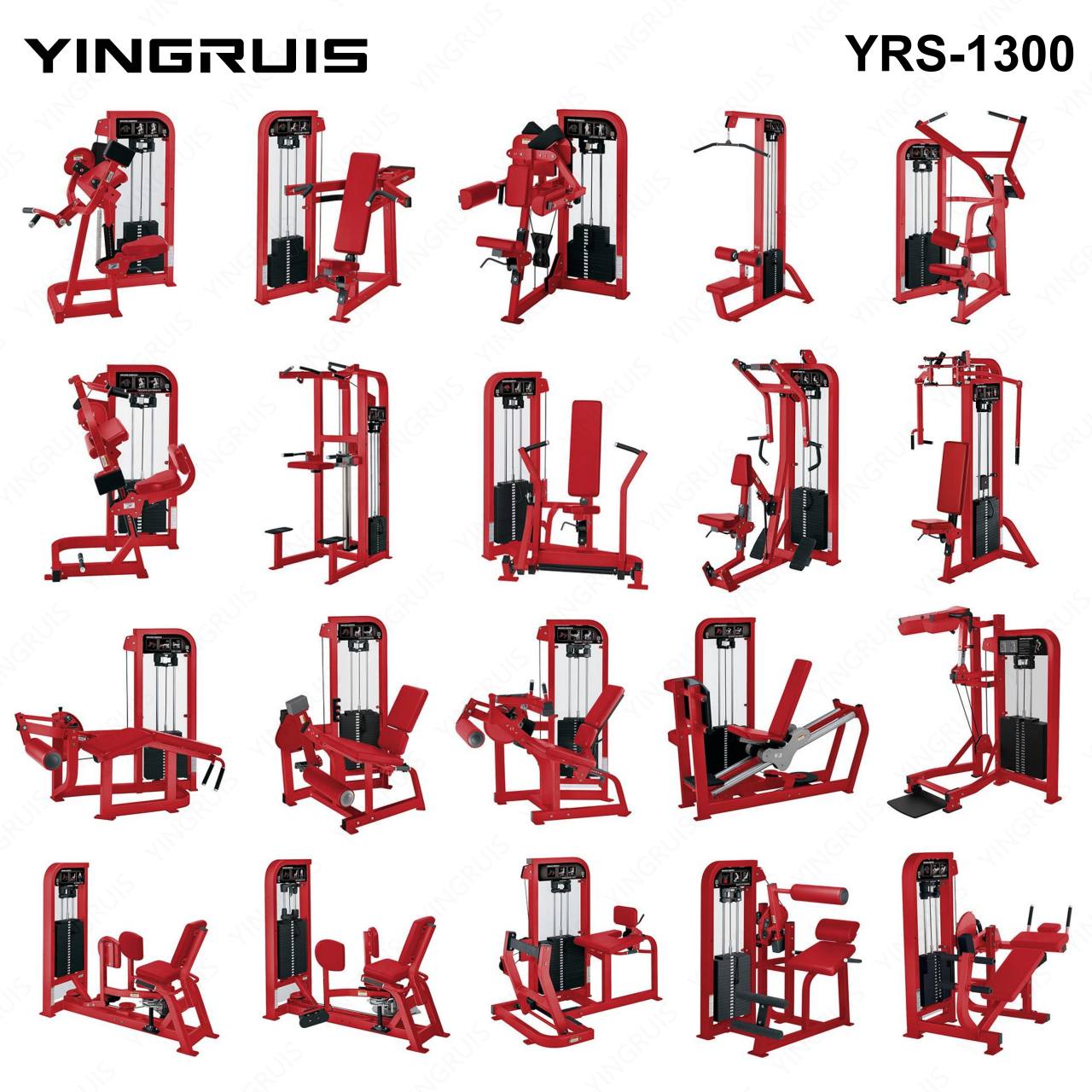
Commercial strength equipment comes in many forms, each targeting different muscle groups and training goals.
| Machine Type | Primary Muscle Group | Typical Use |
|---|---|---|
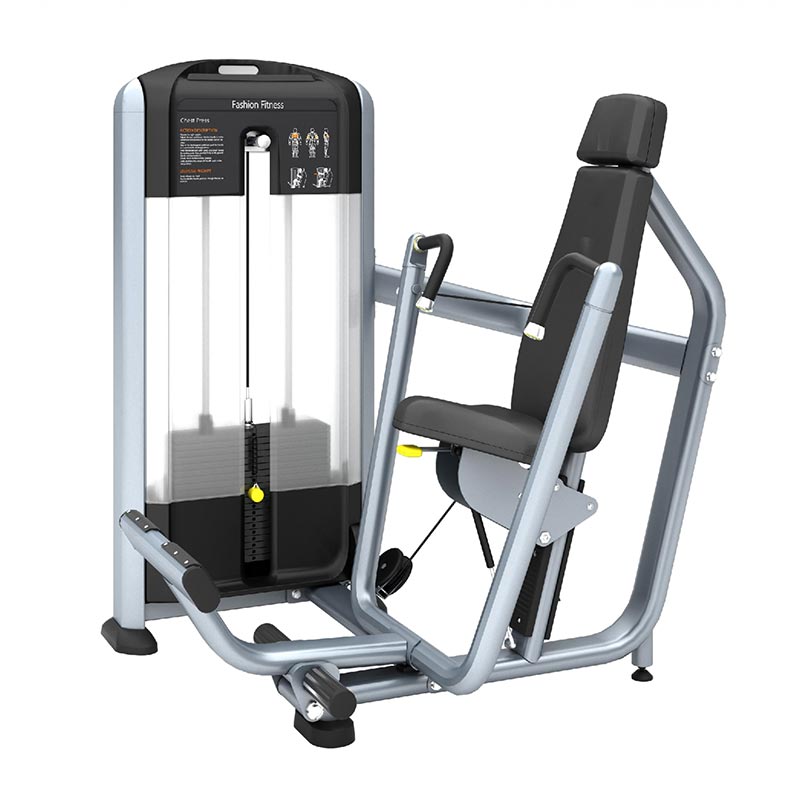
| Chest Press Machine | Chest, shoulders, triceps | Upper body strength development |
| Lat Pulldown Machine | Back, biceps | Upper back and pulling strength |
| Leg Press Machine | Quadriceps, glutes | Lower body strength training |
| Seated Row Machine | Back muscles | Posture and upper-body pulling strength |
| Shoulder Press Machine | Shoulders and triceps | Overhead pressing strength |
These machines often form the foundation of a complete strength training circuit in commercial gyms.
Key Features That Define High-Quality Machines
When evaluating commercial strength machines, several engineering features determine their quality and performance.
- Heavy-duty steel frame construction
- Smooth pulley and cable systems
- Precision weight stack mechanisms
- Ergonomic seat and handle positioning
- Non-slip grips and durable upholstery
- Stable base for high-load training
Manufacturers such as Qingdao Yingruis Fitness Technology Co., Ltd. incorporate advanced manufacturing processes and strict quality control to ensure each machine meets international performance standards.
Commercial Strength Machine vs Home Gym Equipment
| Feature | Commercial Strength Machine | Home Gym Equipment |
|---|---|---|
| Durability | Designed for continuous heavy use | Moderate usage capacity |
| Weight Capacity | High resistance levels | Limited weight range |
| Stability | Extremely stable | Less structural reinforcement |
| User Range | Suitable for all fitness levels | Usually for personal use |
| Lifespan | 10+ years with maintenance | 3–5 years typical |
How to Choose the Right Commercial Strength Machine
Selecting the right equipment requires careful evaluation of several factors.
1. Facility Size
Ensure machines fit comfortably within your gym layout while maintaining safe walking space.
2. Target Audience
Different gyms serve different users—beginners, bodybuilders, athletes, or rehabilitation clients.
3. Equipment Versatility
Multi-functional machines can maximize training options while saving space.
4. Build Quality
Choose manufacturers with proven experience and strict production standards.
5. Supplier Support
Reliable suppliers such as Qingdao Yingruis Fitness Technology Co., Ltd. offer professional consultation, customization options, and after-sales support.
Maintenance Tips for Long-Term Performance
- Inspect cables and pulleys regularly
- Clean upholstery and metal surfaces daily
- Lubricate moving components periodically
- Check bolts and structural connections
- Replace worn parts promptly
Routine maintenance ensures equipment remains safe and functional for years.
Future Trends in Strength Training Equipment
The fitness industry continues to innovate, and commercial strength machines are evolving with new technology.
- Smart resistance tracking systems
- Integrated workout data monitoring
- Ergonomic AI-assisted motion guidance
- Compact multi-function strength stations
- Eco-friendly materials and manufacturing
Forward-thinking manufacturers like Qingdao Yingruis Fitness Technology Co., Ltd. are investing in research and development to create next-generation fitness equipment for the global market.
Frequently Asked Questions
1. What makes a strength machine “commercial grade”?
Commercial machines are designed for heavy-duty usage, featuring stronger frames, higher weight capacities, and enhanced durability compared with consumer equipment.
2. How long do commercial strength machines typically last?
With proper maintenance, most commercial machines can last more than 10 years in high-traffic gyms.
3. Are strength machines better than free weights?
Both have benefits. Machines provide guided motion and safety, while free weights allow greater movement freedom and stabilization training.
4. How many strength machines should a gym have?
This depends on facility size, but most professional gyms offer a complete circuit targeting major muscle groups.
5. Where can gym owners purchase reliable commercial strength machines?
Professional manufacturers such as Qingdao Yingruis Fitness Technology Co., Ltd. provide high-quality equipment designed for long-term commercial use.
Choosing the right strength training equipment can significantly impact the success of a fitness facility. High-performance machines improve member satisfaction, enhance safety, and support a wide range of training goals. If you are planning to build or upgrade a professional gym, working with a trusted manufacturer is essential.
Qingdao Yingruis Fitness Technology Co., Ltd. specializes in designing and manufacturing durable, ergonomically engineered Commercial Strength Machines for gyms, training centers, and fitness facilities worldwide. Our equipment combines advanced engineering, premium materials, and modern aesthetics to deliver outstanding performance.
If you are looking for reliable commercial fitness equipment or customized gym solutions, contact us today to learn how our products can help elevate your fitness facility and provide exceptional training experiences for your members.
Related News
- Bulk Shipment News | Yingruis Supermodel Commercial Pilates Reformers Exported to Global Markets
- How Can a Spinning Bike Transform Your Fitness Routine?
- Yingris Successfully Concludes Its Participation in 2026 Xiamen China Sport Show
- How Does a Pilates Bed Enhance Your Fitness Routine?
- How Can Commercial Spin Bike Transform Gym Performance and Member Experience?
- What Are the Application Scenarios for Commercial Treadmills? How to Choose Popular Models?
Leave me a message