News
What Are the Latest Trends in Commercial Strength Training?
Commercial strength training is evolving as gyms place greater emphasis on equipment durability, training versatility, space efficiency, and user experience. At Yingruis, we have been manufacturing fitness equipment since 1996, and we have seen how the needs of commercial fitness facilities have changed over time. Today's strength training areas require more than individual machines. They need well-planned equipment combinations, stable structures, adjustable training positions, and reliable performance under frequent use. In this article, we explore the latest trends in commercial strength training and the equipment considerations that matter when developing an efficient gym environment.
Table of Contents
- 1. Greater Demand for Versatile Strength Training Equipment
- 2. Structural Stability and Durability Remain Priorities
- 3. More Efficient Use of Commercial Gym Space
- 4. Adjustable Equipment for Different Training Needs
- 5. Integrated Equipment Planning for Complete Training Areas
- 6. How Yingruis Approaches Commercial Strength Training Equipment
- 7. Frequently Asked Questions
1. Greater Demand for Versatile Strength Training Equipment
One noticeable change in commercial fitness facilities is the growing need for equipment that supports different training movements and muscle groups. Instead of filling a gym with machines designed for only one exercise, many facilities are looking for a more balanced combination of equipment that supports upper-body, lower-body, and core training.
We believe this shift is closely related to how commercial gyms organize their training programs. Members may follow different fitness goals, from basic strength development and muscle conditioning to functional training and more advanced resistance workouts. Equipment selection therefore needs to accommodate different exercise requirements without making the training area unnecessarily complicated.
A well-planned strength training area may include:
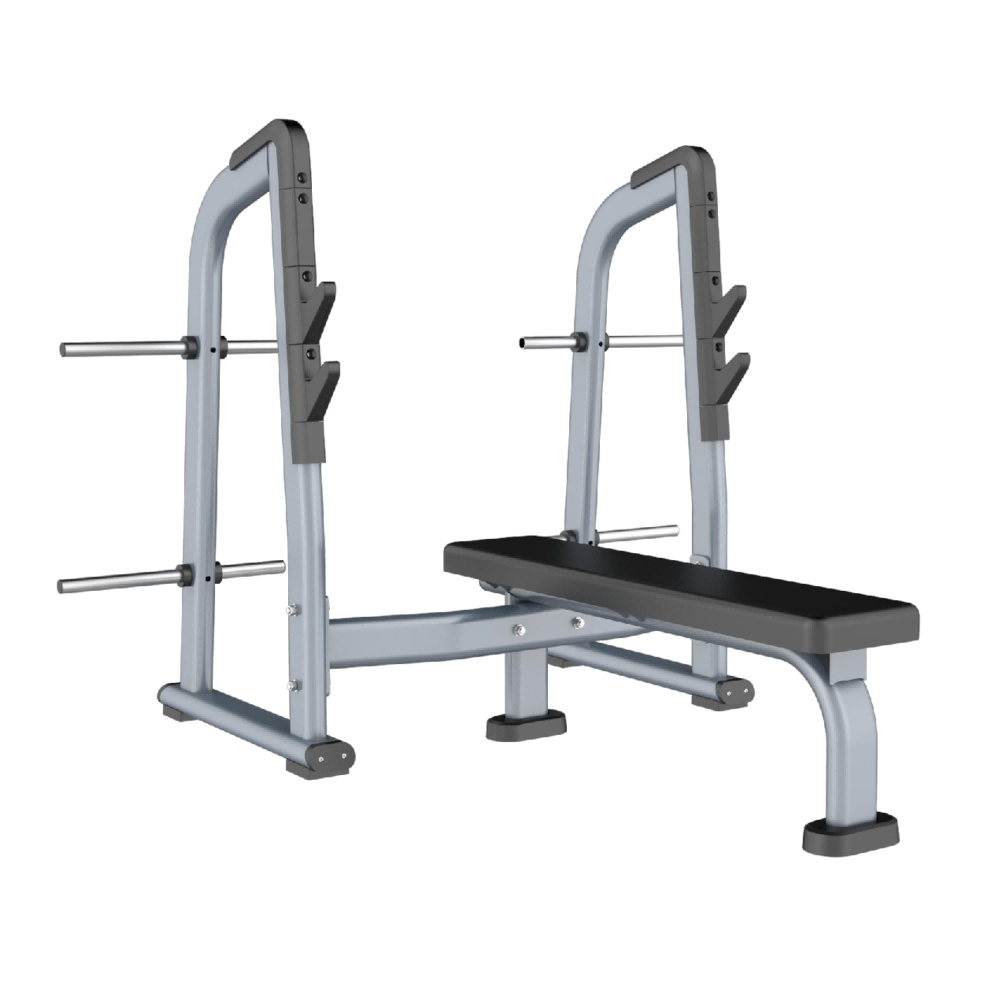
- Power racks: Support barbell-based exercises such as squats, bench presses, and other compound movements.
- Adjustable benches: Provide flat, incline, and other training positions for different upper-body exercises.
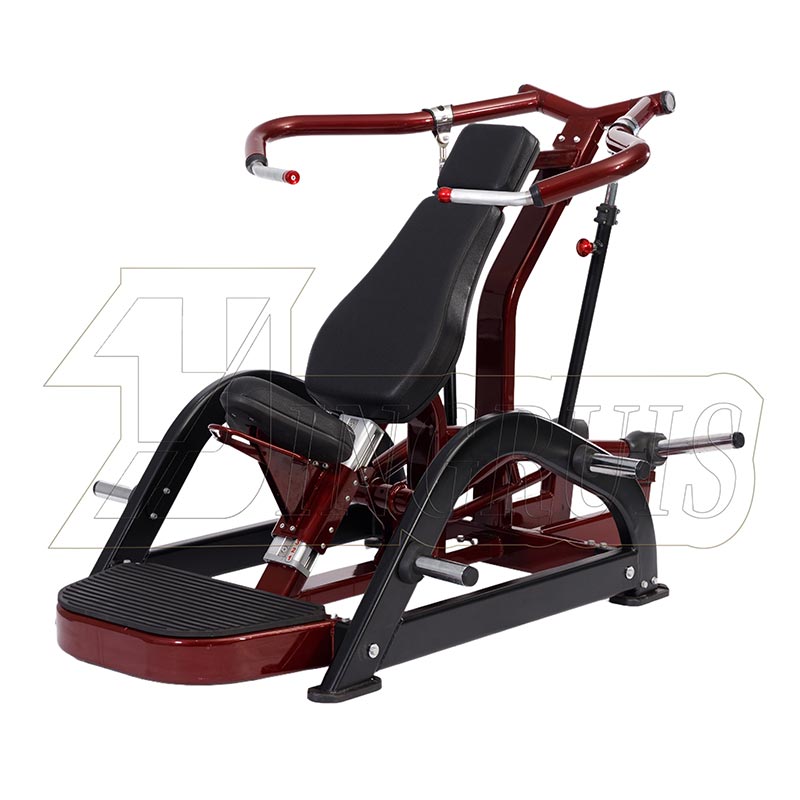
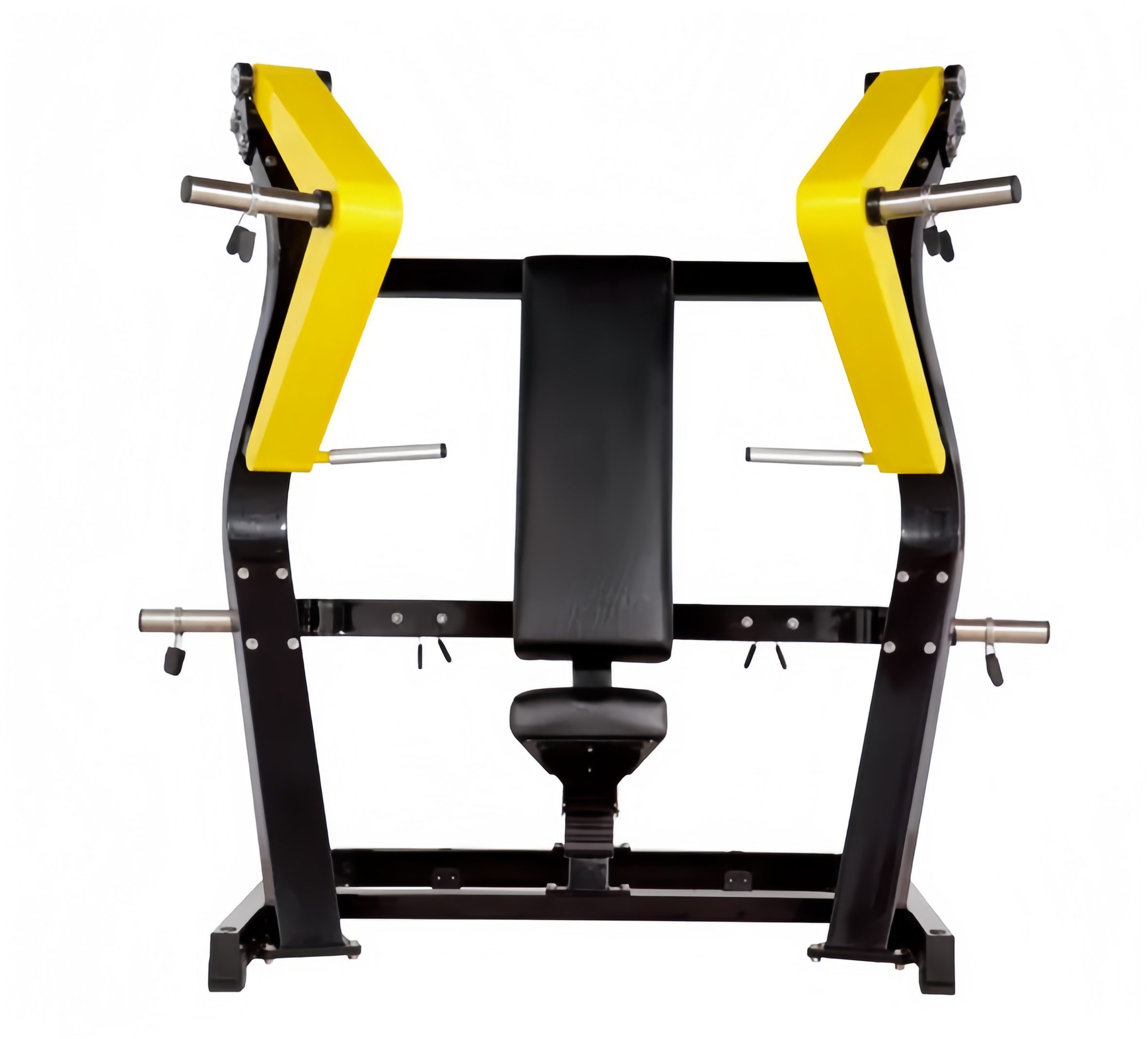
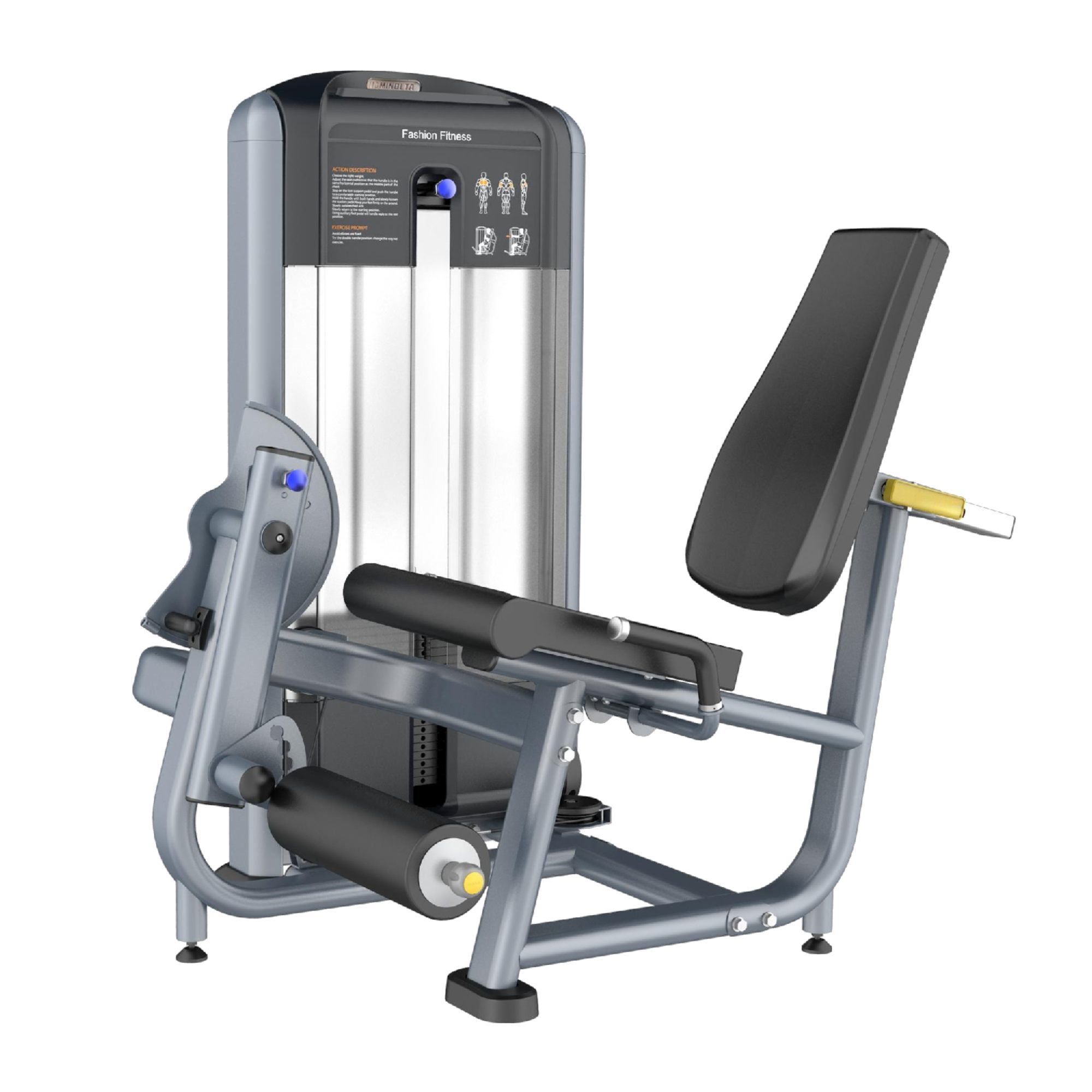
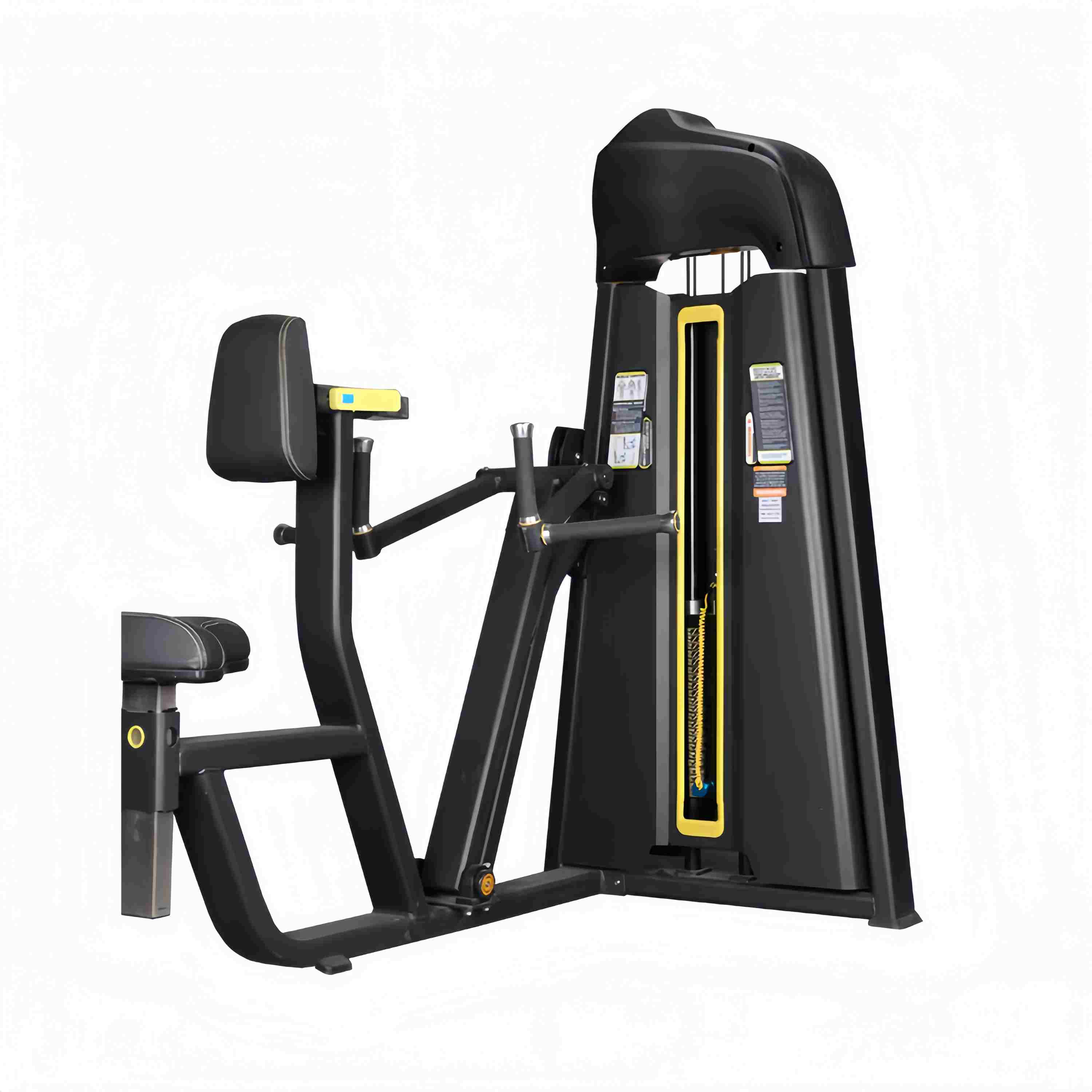
- Commercial strength machines: Offer guided movement paths for targeted muscle training and structured resistance exercises.
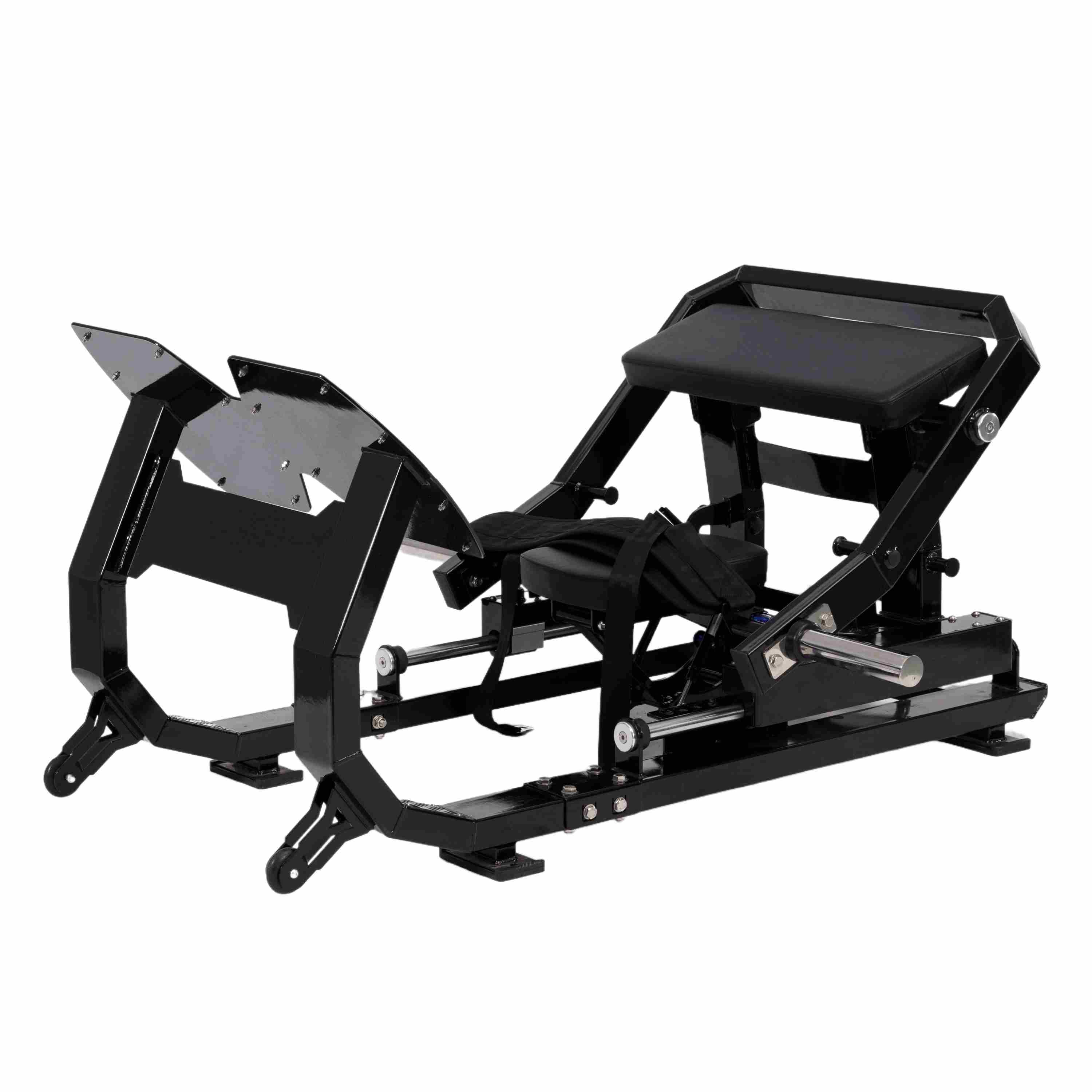
- Multifunctional training equipment: Allow users to perform several exercises within a single equipment station.
For commercial facilities, versatility does not simply mean adding more functions to one machine. It means selecting equipment that works together and provides practical training options for different users.
Explore our Power Rack, Adjustable Bench, and Commercial Strength Machine categories to see different equipment configurations for strength training areas.
2. Structural Stability and Durability Remain Priorities
Commercial fitness equipment is exposed to considerably more frequent use than equipment in most home gyms. Multiple users may operate the same machine throughout the day, often with different training loads and exercise habits. This makes structural stability and material consistency important considerations during equipment selection.
In our manufacturing experience, a reliable Strength Training Machine should be evaluated through several structural details rather than appearance alone.
- Steel frame construction: High-strength steel provides the structural foundation for supporting training loads.
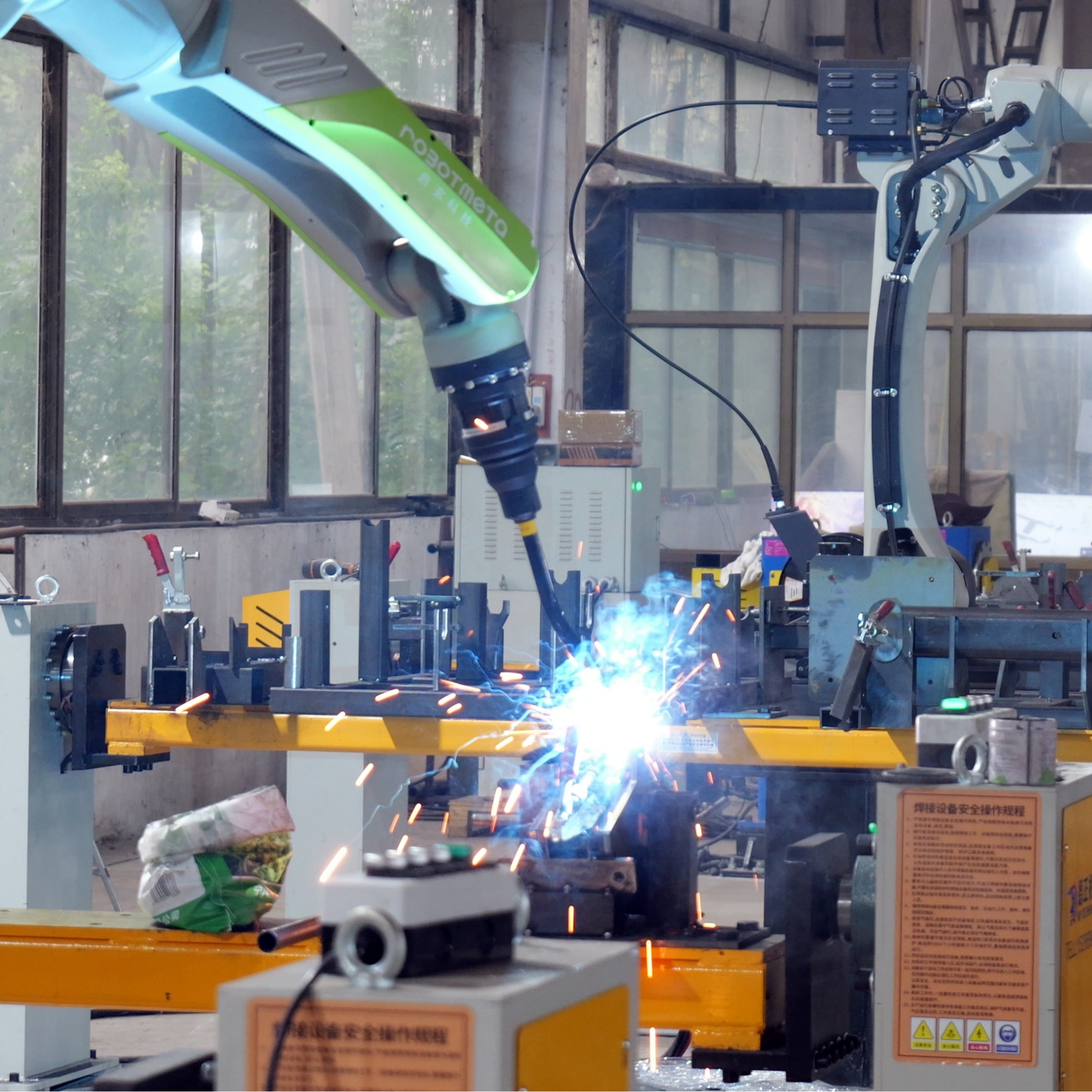
- Welding quality: Consistent welds help maintain the integrity of frame connections during repeated use.
- Reinforced connection points: Key joints and load-bearing areas need appropriate structural reinforcement.
- Surface treatment: Wear-resistant coatings help protect metal surfaces from scratches, routine contact, and general gym wear.
- Balanced force distribution: A properly designed frame helps maintain equipment stability throughout the intended movement range.
We also recommend checking the equipment's rated load capacity, frame dimensions, base structure, and applicable testing documentation before making a commercial installation decision. These specifications should be confirmed against the actual product rather than assumed from its appearance.
For gym operators, long-term equipment performance is closely connected to maintenance requirements. A durable frame, accessible connection points, and a practical surface finish can make routine inspection and cleaning easier.
3. More Efficient Use of Commercial Gym Space
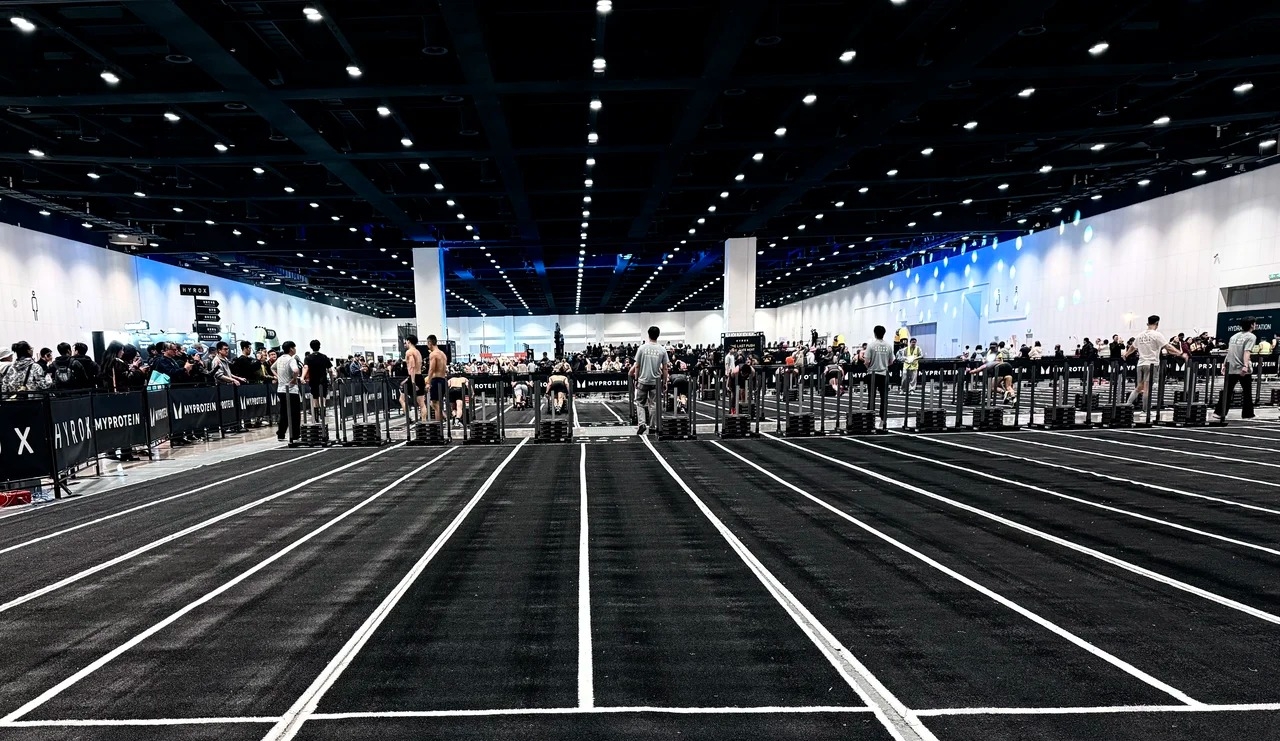
Floor space is a limited resource in many commercial gyms, particularly in facilities located in urban areas or buildings with fixed floor plans. As a result, equipment layout has become an important part of strength training area planning.
We find that an efficient layout should consider more than the footprint of each machine. Trainers and gym operators also need to account for exercise movement, equipment access, weight plate storage, user circulation, and the space required for safe entry and exit.
For example, a power rack requires sufficient clearance for barbell movements and loading plates. An adjustable bench needs enough surrounding space for different exercise positions. Selectorized commercial strength machines may be arranged in a more structured sequence according to the muscle groups they target.
The following table shows how different equipment types can contribute to gym space planning:
| Equipment Type | Main Training Purpose | Space Planning Considerations | Typical Application |
|---|---|---|---|
| Power Rack | Squats, bench presses, and compound movements | Allow clearance for barbells, weight plates, and user movement | Free-weight training areas |
| Adjustable Bench | Flat, incline, and other bench-supported exercises | Provide room for bench adjustment and exercise positioning | Strength and dumbbell training zones |
| Commercial Strength Machine | Targeted resistance training for specific muscle groups | Consider machine footprint, access points, and movement range | Commercial machine training areas |
| Multifunctional Training Equipment | Multiple exercises using one equipment station | Check operating clearance for each training function | Multi-purpose and compact gym areas |
We recommend grouping equipment according to training purpose rather than arranging machines simply by appearance or size. This approach makes it easier for members to move between exercises and helps trainers organize structured workout sessions.
4. Adjustable Equipment for Different Training Needs
Commercial gyms serve users with different heights, body proportions, strength levels, and exercise experience. Equipment adjustability is therefore an important factor in improving accessibility and supporting different training programs.
Adjustable benches are a practical example. Changing the backrest angle allows users to perform flat, incline, and other supported exercises without requiring a separate bench for every position. Similarly, strength machines with accessible adjustment mechanisms can accommodate different users and exercise settings.
When evaluating adjustable strength training equipment, we suggest paying attention to the following details:
- Adjustment range: Check whether the available positions support the intended exercises and user requirements.
- Locking mechanism: Adjustment points should engage securely and remain stable during exercise.
- Ease of operation: Users should be able to change settings without complicated procedures.
- Contact and support areas: Seats, backrests, and handles should provide appropriate support for the intended movement.
These details may seem small, but they influence how frequently equipment adjustments are used in everyday gym operations. A machine that is difficult to adjust can interrupt training sessions and reduce its practical value.
5. Integrated Equipment Planning for Complete Training Areas
Another important development in commercial strength training is the move toward more complete training environments. Rather than treating each piece of equipment as an independent purchase, gym planners increasingly need to consider how different machines complement one another.
For example, a strength training zone can combine power racks for compound movements, adjustable benches for supported exercises, and commercial strength machines for targeted muscle training. This combination provides different training options while maintaining a clear functional division within the gym.
From our perspective, equipment compatibility should be considered during the planning stage. Important factors include:
- Equipment dimensions: Machine width, length, and height should match the available installation area.
- Training sequence: Equipment should be positioned according to common exercise combinations and training routines.
- Structural consistency: Similar construction standards and finish quality help maintain a consistent equipment appearance.
- Maintenance access: Sufficient space should remain available for inspection, cleaning, and component replacement.
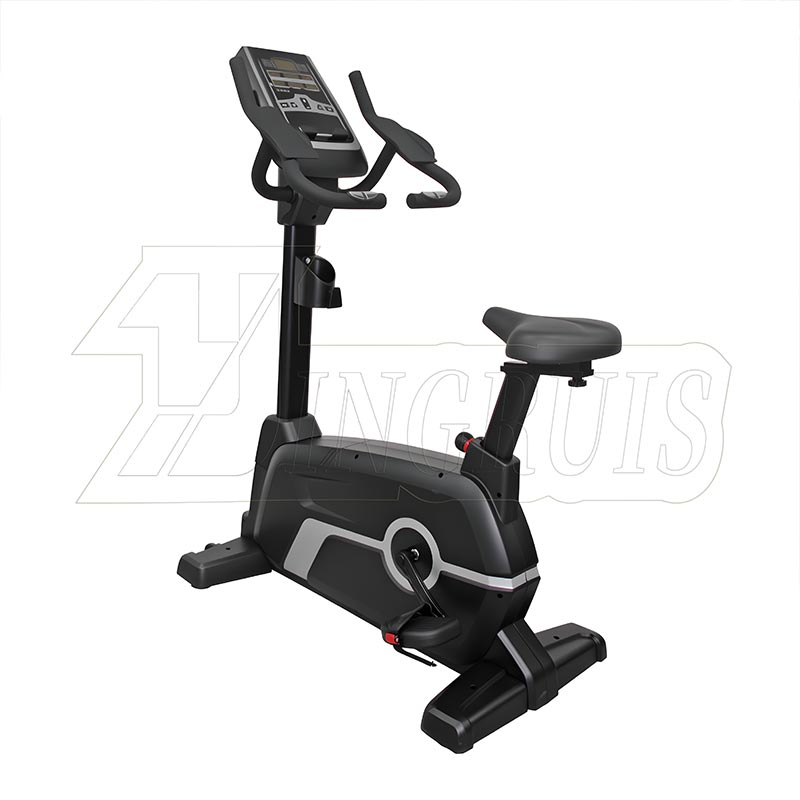
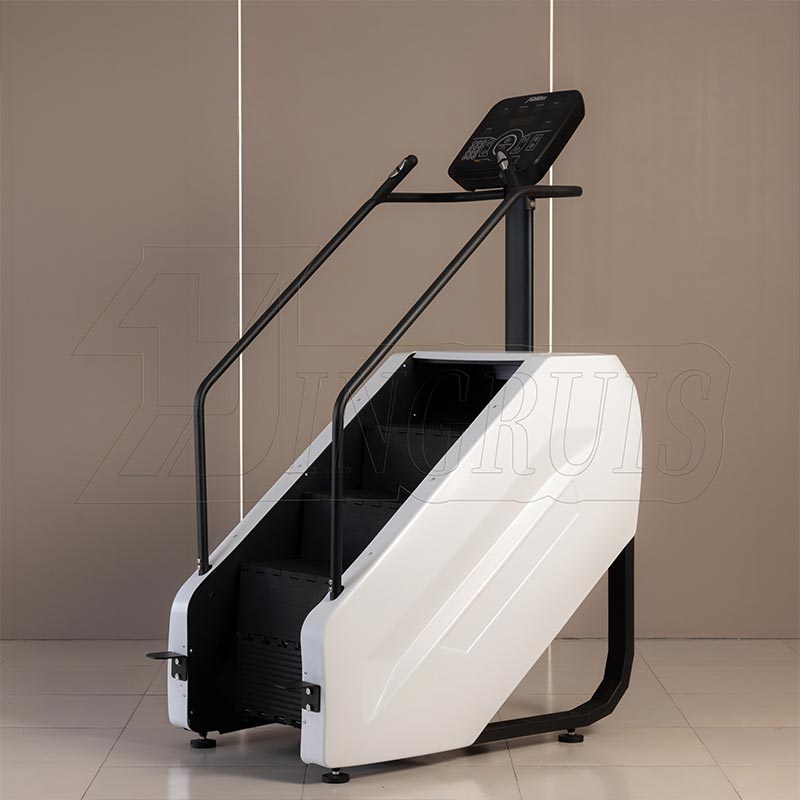
For larger commercial facilities, a combination of Cardio Training Machines, Strength Training Machines, Pilates Equipment, and Multifunctional Training Equipment can help establish distinct training zones for different fitness activities.
6. How Yingruis Approaches Commercial Strength Training Equipment
At Yingruis, our experience in fitness equipment manufacturing dates back to 1996. Over nearly three decades, we have developed manufacturing capabilities covering equipment production, assembly, export trade, and after-sales service. Our product range includes cardio equipment, strength training equipment, Pilates equipment, and multifunctional training equipment.
We understand that commercial fitness equipment needs to meet practical requirements beyond basic exercise functions. Frame construction, welding consistency, adjustment mechanisms, surface treatment, and overall equipment dimensions all influence how a machine performs in a gym environment.
Our approach to Strength Training Machine development focuses on several areas:
- Manufacturing experience: We have been engaged in fitness equipment manufacturing since 1996, building experience in product production and assembly.
- Technical personnel: Our company has more than 80 technical staff supporting manufacturing-related work.
- Equipment selection: Our strength training range can be combined with power racks, adjustable benches, and other commercial fitness equipment.
- Quality management: We emphasize production quality control and inspection throughout the manufacturing process.
- International business support: Since expanding our global business in 2024, we have continued developing our export and customer service capabilities.
We believe the most suitable equipment configuration depends on the facility's available space, intended training programs, user profile, and operating requirements. Instead of recommending the same equipment combination for every gym, we focus on matching equipment structures and functions to the actual application.
Learn more about Yingruis and our fitness equipment manufacturing capabilities.
7. Frequently Asked Questions
What are the latest trends in commercial strength training?
Key developments include more versatile equipment configurations, durable steel frame construction, adjustable training positions, multifunctional machines, and more efficient gym layouts. Commercial facilities are increasingly considering how different machines work together rather than selecting equipment individually.
What strength training equipment should a commercial gym include?
A well-equipped commercial gym may include power racks, adjustable benches, commercial strength machines, and multifunctional training equipment. The exact combination depends on the facility's floor space, training programs, target users, and available budget.
Why is structural stability important for commercial strength training machines?
Commercial machines are used repeatedly by different people and may experience frequent changes in training loads. A stable frame, consistent welding, reinforced connection points, and suitable surface treatment contribute to structural reliability and long-term equipment performance.
How can gyms improve space utilization in strength training areas?
Gyms can improve space utilization by grouping equipment according to training functions, selecting machines with complementary exercise capabilities, and planning sufficient clearance around each station. The layout should also consider user circulation, weight plate access, and maintenance requirements.
What should be checked before choosing a Strength Training Machine?
Important factors include frame material, welding quality, rated load capacity, equipment dimensions, movement range, adjustment mechanisms, surface finish, and maintenance accessibility. Gym operators should also confirm product specifications and applicable certifications with the manufacturer before installation.
Can different strength training machines be combined in one commercial gym?
Yes. Power racks, adjustable benches, and commercial strength machines can be arranged in complementary training zones. Proper equipment positioning helps support different exercise programs while maintaining clear movement paths and sufficient operating space.
Conclusion
Commercial strength training is developing toward more versatile equipment combinations, dependable structural construction, user-friendly adjustments, and better gym space planning. These factors are closely connected because a successful strength training area needs equipment that performs reliably while fitting the facility's actual operating requirements.
At Yingruis, we draw on our manufacturing experience since 1996 to develop fitness equipment for commercial and household applications. By considering equipment structure, training functions, and installation requirements together, we aim to provide practical solutions for different fitness environments.
Explore our Strength Training Machine range to learn more about our equipment options for commercial gym applications.
Related News
- How Does a Commercial Electric Treadmill Improve Gym Training?
- Bulk Shipment News | Yingruis Supermodel Commercial Pilates Reformers Exported to Global Markets
- How Can a Spinning Bike Transform Your Fitness Routine?
- Yingruis Successfully Concludes Its Participation in 2026 Xiamen China Sport Show
- How Does a Pilates Bed Enhance Your Fitness Routine?
- How Can Commercial Spin Bike Transform Gym Performance and Member Experience?
Leave me a message
News Recommendations